壹蘋派生活美語 超越恐懼:走進艾力克斯.霍諾德的世界
Beyond Fear: Inside the World of Alex Honnold
超越恐懼:走進艾力克斯.霍諾德的世界
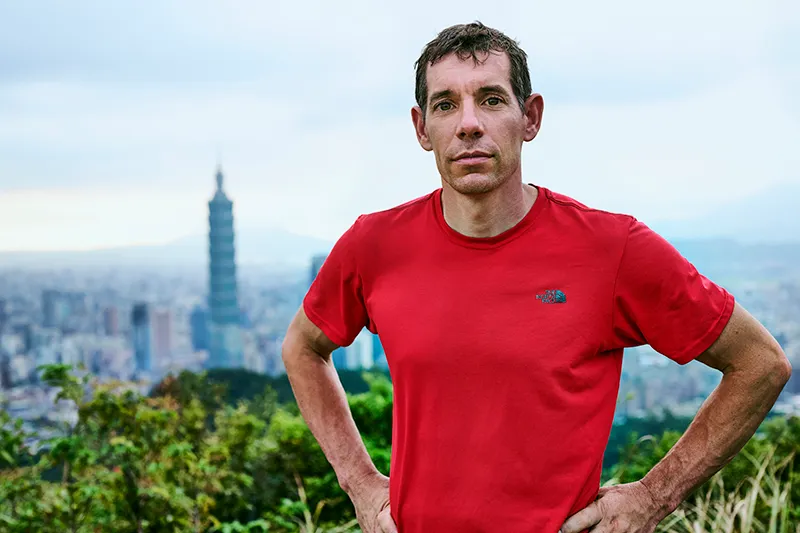
Many people feel dizzy just watching Honnold climb without ropes. His extreme climbs even attracted scientists who wanted to understand how his brain processes fear. In 2016, researchers used an fMRI machine to observe how his brain reacted to frightening images. The results showed unusually low activity in his amygdala, the part of the brain linked to fear. Because of this, some people suggested that Honnold might not experience fear in situations most people would find terrifying.
許多人光是看著霍諾德在沒有繩索的情況下攀登就感到頭暈目眩。他的極限攀登還甚至吸引了科學家的注意,他們想要了解他的大腦如何處理恐懼。2016 年,研究人員利用功能性磁振造影器觀察他的大腦對恐怖影像的反應。結果顯示,他大腦中與恐懼相關的杏仁核活動異常低。因此,有些人指出霍諾德在多數人會感到恐懼的情況下,可能不太會感到害怕。
生活必備字詞:
dizzy a. 頭暈目眩的
frightening a. 恐怖的,可怕的
be linked to... 與……有關聯
◆免費線上聽外師朗讀 https://ivyforfree.pse.is/3jks97
本文節錄自《常春藤生活英語》雜誌,完整內容請見七月號。
 點擊閱讀下一則新聞